

Digital marketing isn’t one thing — it’s seven powerful disciplines that together turn attention into traffic, leads, and revenue. Whether you’re a founder, freelancer, or marketer, knowing how each type works — and how they link together — is the fastest route from “nice website” to measurable growth. Below I explain the 7 core types of digital marketing you’ll see in every modern playbook, why each matters, and what to measure so your campaigns actually move the needle.
if you want practical, instructor-led training taught by Google-certified professionals, SEOTraining.pk runs hands-on courses across these areas — from advanced SEO to Amazon PPC and e-commerce diplomas — taught for Pakistan-based and global students.
1. Search Engine Optimization (SEO)

SEO is the long-game discipline that earns organic visibility in search engines. Good SEO combines three pillars:
-
On-page (content, keyword intent, title tags, structured data)
-
Technical (site speed, crawlability, mobile-first, indexation)
-
Off-page (link profile, citations, authority signals)
Why it matters: organic search still delivers some of the highest-intent traffic available — users searching for “buy,” “best,” or problem-solving queries are often ready to take action. Key metrics: organic sessions, keyword rankings, click-through rate (CTR), and conversions attributed to organic traffic.
If you want deep practical training on technical + modern content SEO, see the Advanced SEO Course at SEOTraining.pk. Expect AI to reshape content discovery and snippet-level optimization. Focus on E-E-A-T (Experience, Expertise, Authoritativeness, Trustworthiness), semantic intent, and structured content that answers micro-questions directly on SERPs.
2. Pay-Per-Click Advertising (PPC)
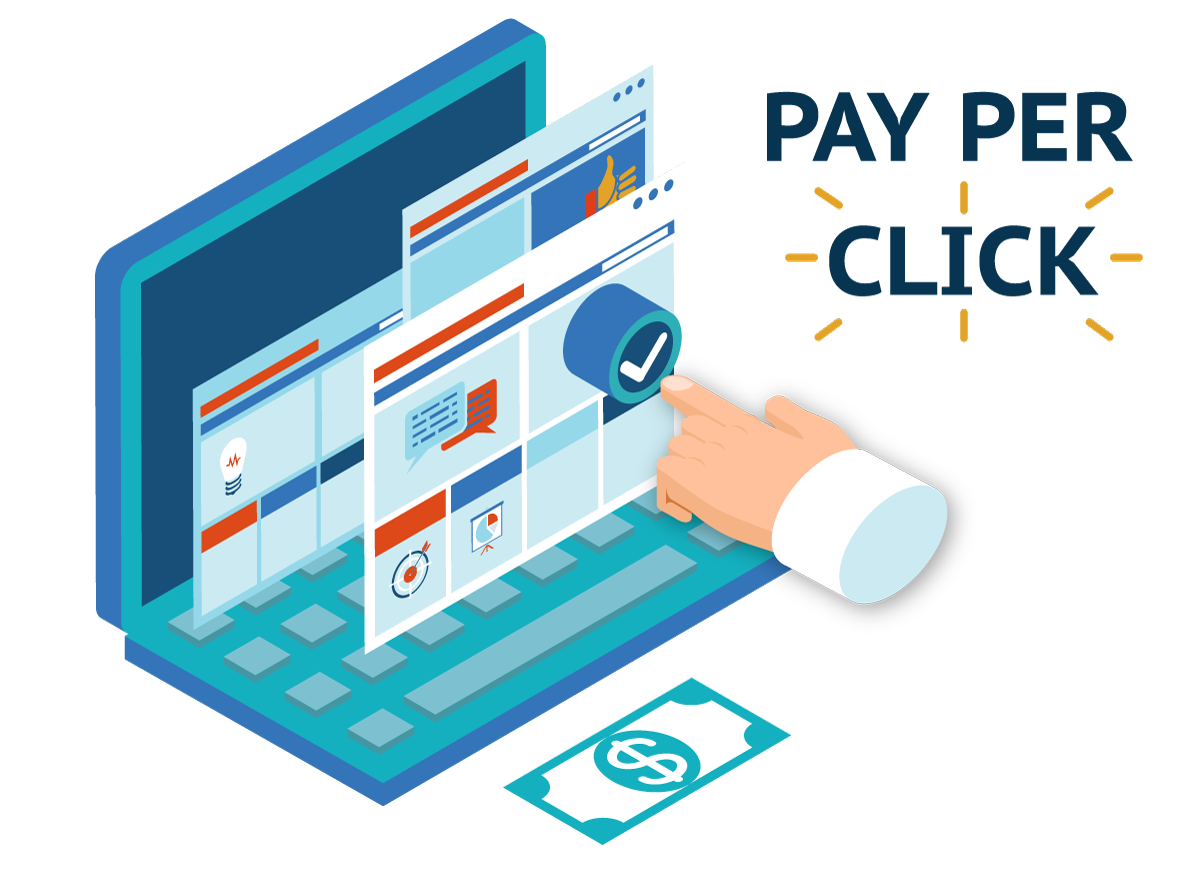
PPC buys visibility: search ads (Google), shopping ads, display, and paid social placements. It’s the fastest way to scale traffic because you pay for impressions or clicks with tight targeting and measurable return.
Core concepts:
-
Bidding & Budgeting: manual vs automated bidding, ROAS optimization
-
Quality & Relevance: ad copy, landing page relevance, Quality Score
-
Measurement: cost per acquisition (CPA), lifetime value (LTV), attribution windows
PPC is technical and data-heavy — campaigns need constant optimization of keywords, creatives, and bid signals. For product sellers, specialized Google PPC training is available at SEOTraining.pk to optimize campaigns.
3. Content Marketing
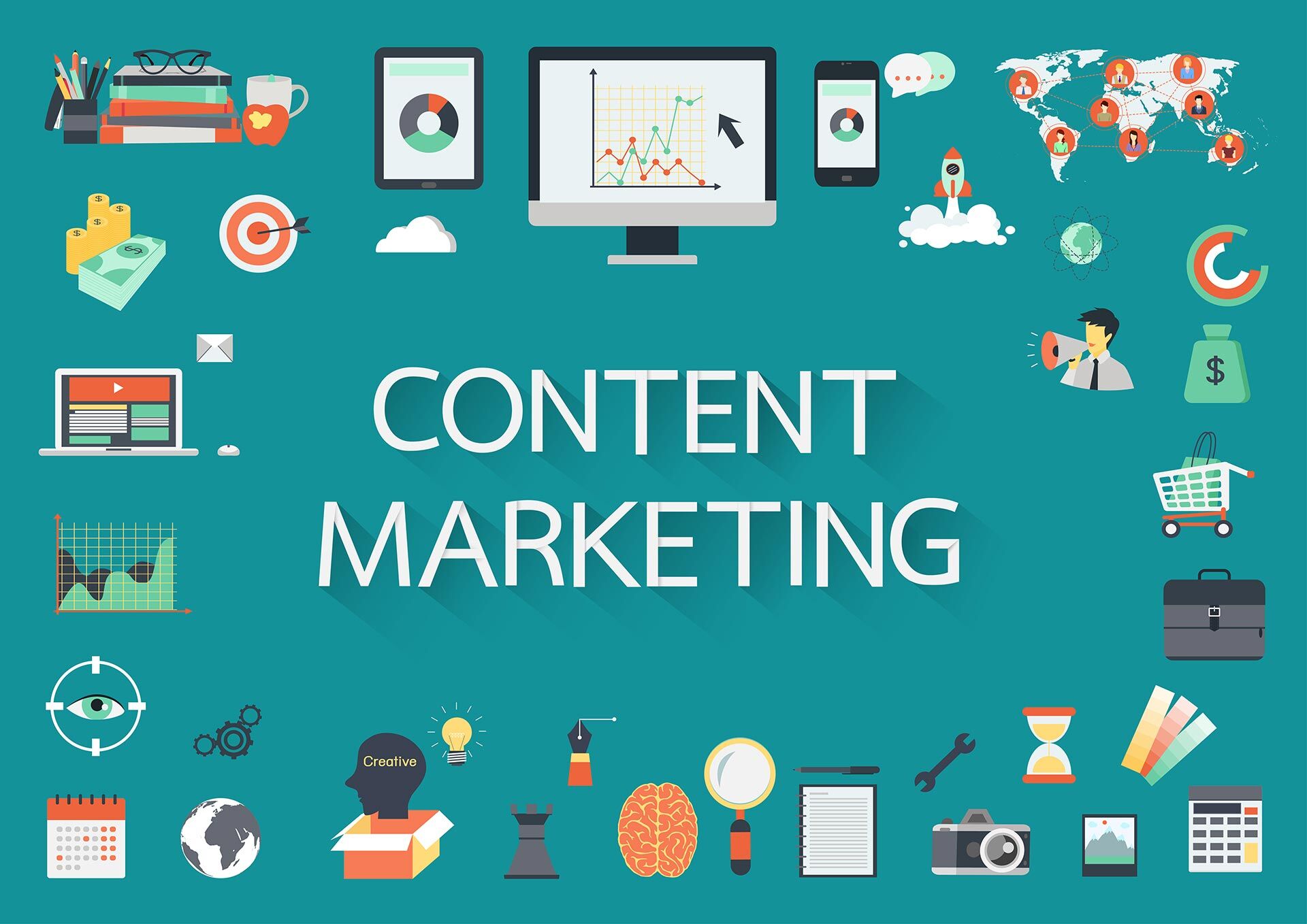
Content marketing is the strategy that fuels nearly every other channel. Think of it as the engine that creates assets — blog posts, case studies, whitepapers, long-form guides, and interactive tools — that attract, educate, and convert.
Why it works:
-
Builds topical authority and link-worthy resources
-
Powers SEO and social sharing
-
Drives lead magnets and email list growth
Measure engagement (time on page), content-attributed conversions, and repurposing ROI — how a single pillar post can fuel social posts, videos, and email sequences.
4. Social Media Marketing (SMM)
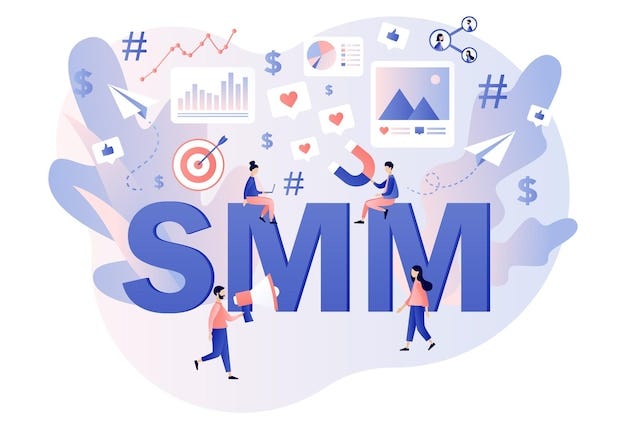
SMM mixes organic community-building with paid amplification. Platform differences matter: LinkedIn favors thought leadership and B2B funnels; Instagram and TikTok reward creative storytelling and product discovery; Facebook and X (Twitter) remain traffic and retargeting workhorses.
Strategies:
-
Content cadence and format fit platform (short video vs carousel vs long post)
-
Community engagement and UGC to build social proof
-
Paid social for lookalike audiences, retargeting, and scale
Key metrics: engagement rate, CPM, cost per click (CPC), conversion rate from social landing pages. If you want deep practical training on technical + modern content SMM, see the Social Media Management Course at SEOTraining.pk
5. Email Marketing
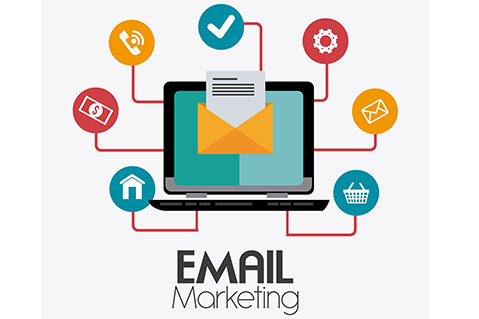
Email is the direct line to people who already opted in — it’s where relationships become repeat customers.
What matters:
-
Segmentation & Personalization: send the right message to the right audience slice
-
Automation: welcome flows, cart abandonment, re-engagement sequences
-
Deliverability: authentication, list hygiene, engagement-based sending
Measure open rates, click-to-open rate (CTOR), conversion rate per flow, and revenue per subscriber. Email remains one of the highest ROI channels when properly segmented and automated.
6. Video Marketing
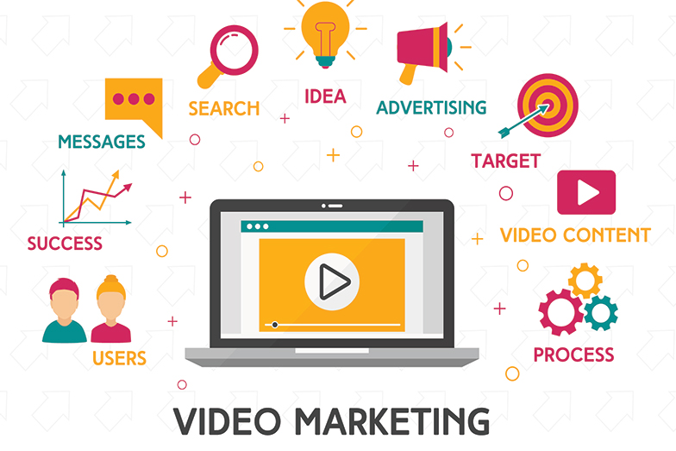
Video grows attention faster than most media formats because it combines motion, sound, and narrative. Use video for product demos, customer testimonials, tutorials, and brand stories.
Platforms:
-
YouTube SEO: optimize titles, descriptions, chapters, and thumbnails
-
Short-form: TikTok, Instagram Reels — native, snackable, and shareable
-
Long-form: webinars, course previews, and in-depth explainers that convert at higher intent
Measure view-through, watch time, click-throughs to landing pages, and incremental conversions from video campaigns.
7. Affiliate Marketing

Affiliate marketing leverages partners to drive sales on performance terms. Affiliates create content or promote products and get paid a commission for conversions tracked through affiliate links.
Important elements:
-
Clear commission structure and tracking (UTM, affiliate platforms)
-
Quality control and brand guidelines to prevent misleading promotions
-
Partner onboarding and creative resources
Metrics: conversion rate by affiliate, cost per acquisition via affiliates, and LTV of affiliate-driven customers.
How these 7 types work together

No single channel should live in isolation. Content fuels SEO and email, PPC accelerates testing and demand capture, social distributes content and builds audiences, video raises attention, affiliate programs scale performance-based sales, and email converts and retains customers. Smart marketing teams design cross-channel experiments where each channel amplifies the others — but keep measurement clear so you know which investments moved revenue.
Why training & execution matters more than tools
Tools are abundant; strategic execution and measurement are scarce. That’s why instructor-led learning with real campaign examples matters: you learn frameworks, debugging techniques, and the analytics mindset required to pick winners and kill losing tests. SEOTraining.pk advertises Google-certified trainers and practical, career-focused courses that combine live instruction and real assignments — ideal for learners who want actionable skills, not just slides.
If you’re building a product business, our All-In-One E-Commerce Diploma covers the practical blend of e-commerce, SEO, and paid tactics to help you scale stores.
Measuring success: the one metric to guard

Every discipline has its set of metrics, but if you must guard one overall KPI it’s Customer Value per Cost — usually expressed as LTV : CAC (lifetime value to customer acquisition cost) or ROAS for direct response campaigns. Channels should be evaluated on how they improve that ratio over time.
Frequently Asked Questions
Q1: Which course at SEOTraining.pk should a beginner pick first?
Start with the core 360 Digital Marketing course (online courses page) to learn foundational SEO, PPC, and social media basics; it’s structured for beginners and includes practical exercises.
Q2: How does SEOTraining.pk teach practical skills, not just theory?
Their programs combine live trainer-led sessions, real-world assignments, and campaign reviews by Google-certified trainers — so you graduate with work-ready projects.
Q3: I sell on Amazon — can I learn Amazon PPC here?
Yes — SEOTraining.pk offers Amazon PPC and Amazon SEO-focused training to optimize product listings and ad campaigns inside Amazon’s ecosystem.
Q4: Will I get help finding clients or jobs after the course?
Courses often include placement guidance, portfolio review, and certificates that help you pitch clients or qualify for in-house roles. Contact their registration team for exact placement support.
Q5: Is the e-commerce course practical for someone building small stores?
Yes — the All-In-One E-Commerce Diploma covers product selection, store setup, and channel mix (SEO + paid) with project-based learning to launch real stores.
The modern marketer is part analyst, part storyteller, and part operator. Mastering the seven types of digital marketing — SEO, PPC, Content, Social, Video, Email, and Affiliate — gives you the toolkit to build sustainable and scalable growth. If you want practical, instructor-led credentialing with local support and global relevance, review SEOTraining.pk’s course catalog to find the right program for your goals. Our team positions itself as Google-certified trainers focused on practical outcomes for students across Pakistan and beyond.